
Home / Stories
Stories
What GYLSCO's young leaders do with cocoa
Two members of the Madagascar cohort, two ways of creating value from cocoa: a chocolate spread brand in Antsiranana, and research into the parts of the cocoa tree that usually get thrown away.
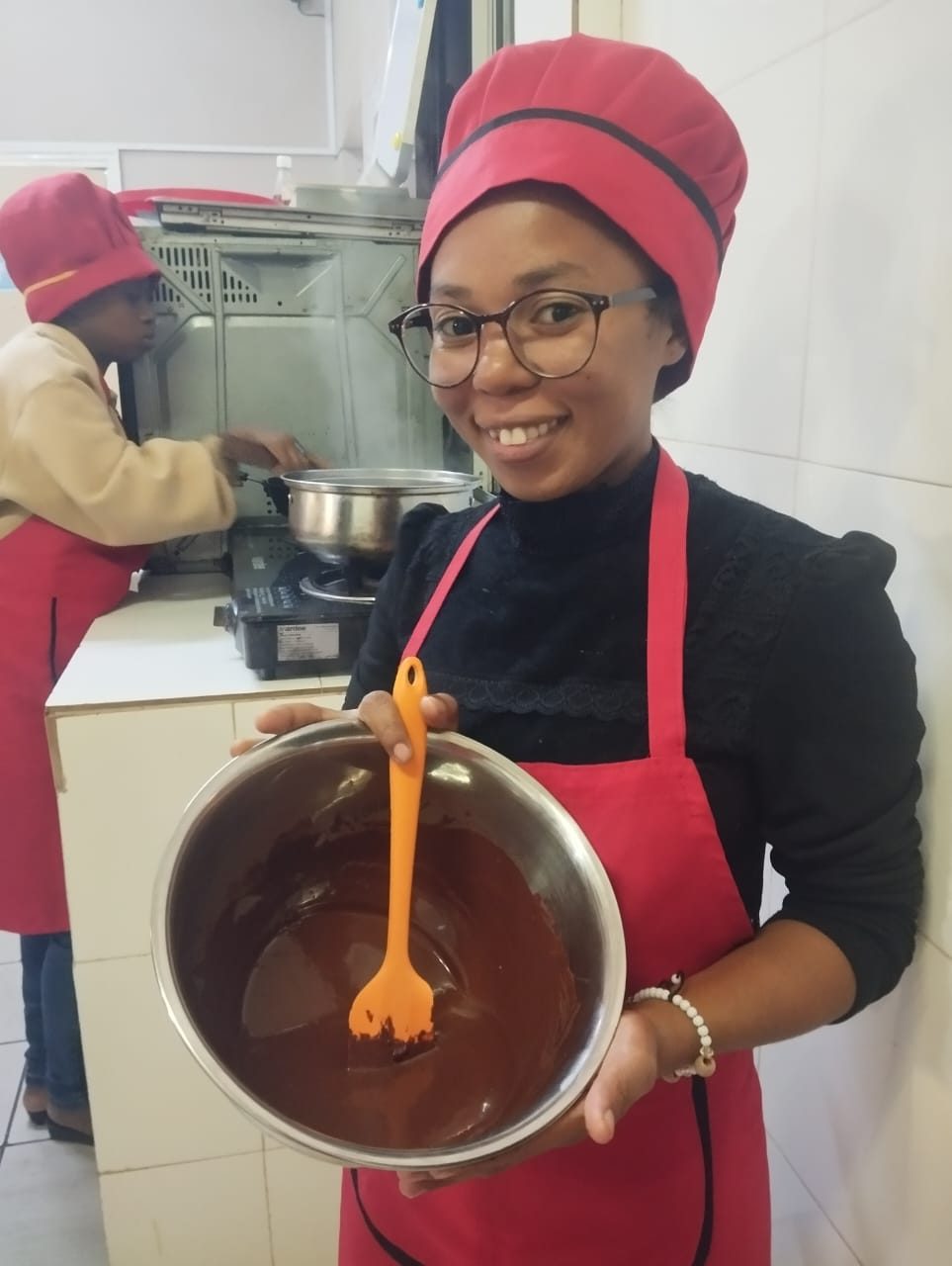
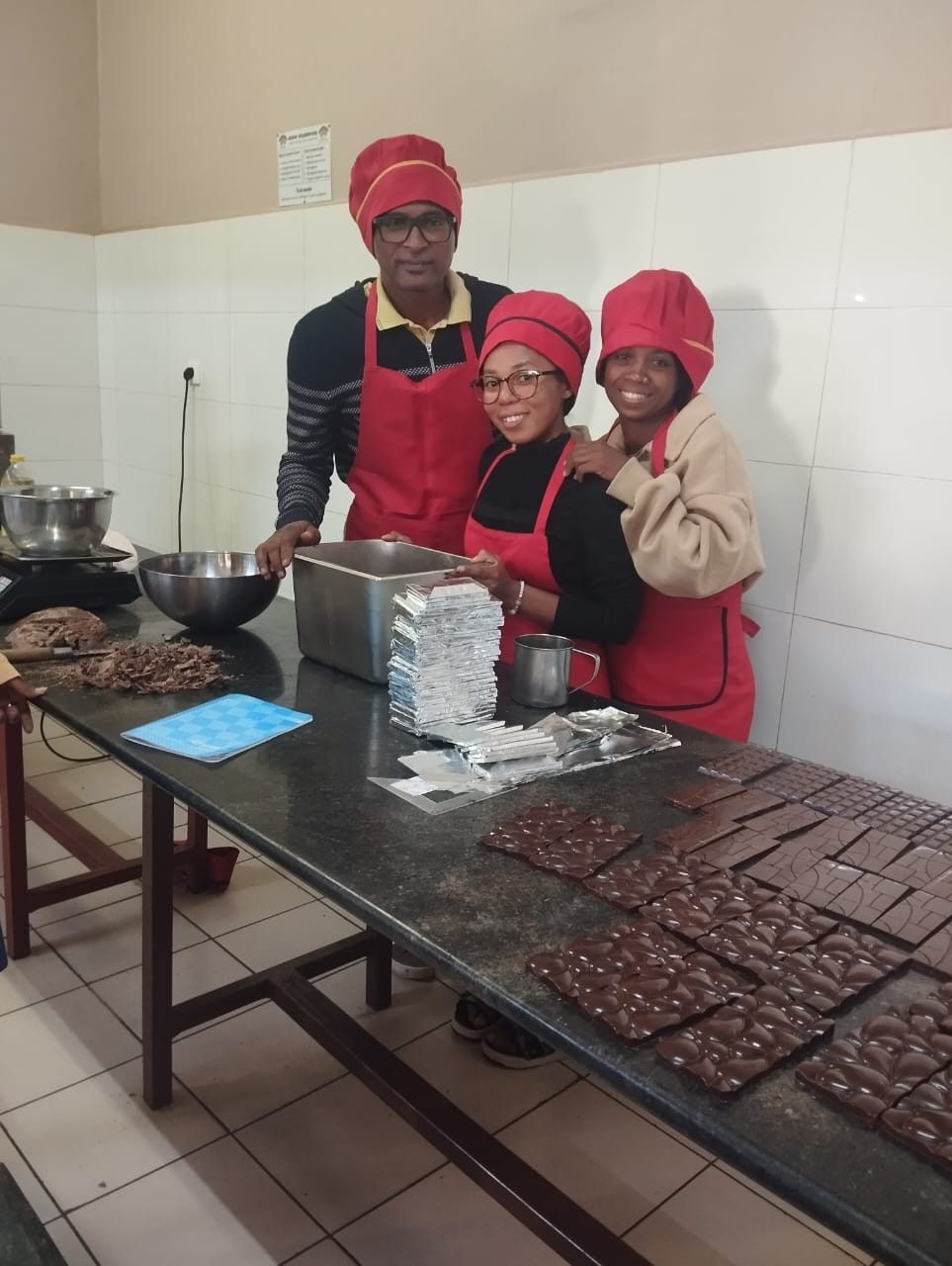
Antsiranana · Building a business
Jeanne Esthérine Rasoanantenaina, founder of Tsiry
At school, Jeanne Esthérine dreamed of chemistry and of making a product with her own hands. She ended up studying banking and insurance, a course that let her work at the same time. An entrepreneurship module at university gave her back the urge to start something.
In November 2024 she bought 150 g of cocoa powder and a tin of condensed milk for less than 20,000 ariary and made her first chocolate spread in a cooking pot. The first batch ended up knocked into a basin of water. She started again the same day. The next day she sold her three jars to a former lecturer, a bank manager and a former classmate.
"I refuse to be unemployed, to sit and wait doing nothing."
Jeanne Esthérine Rasoanantenaina (translated from French)
Customers who improved the recipe
For months she sold in the street and in offices and schools around Diego-Suarez, changing the recipe according to what customers told her. One teacher turned her down three times because the spread was too runny. The fourth time, he bought it. In January 2025 the business was formally registered, and in March 2025 Jeanne Esthérine joined GYLSCO.
There were setbacks too. To pay for equipment she spent more than three months working as a seamstress's hand, a "petite main", in a textile firm in Antananarivo. The phrase is now part of her brand. In 2026 her project was one of thirty chosen for incubation in the DIANA region, and her incubator is sending her to train at the EDENIA chocolate school.
Tsiry, which means "bud" in Malagasy, makes a cocoa and peanut spread from Sambirano cocoa, with less sugar, no additives and no added vegetable oil.
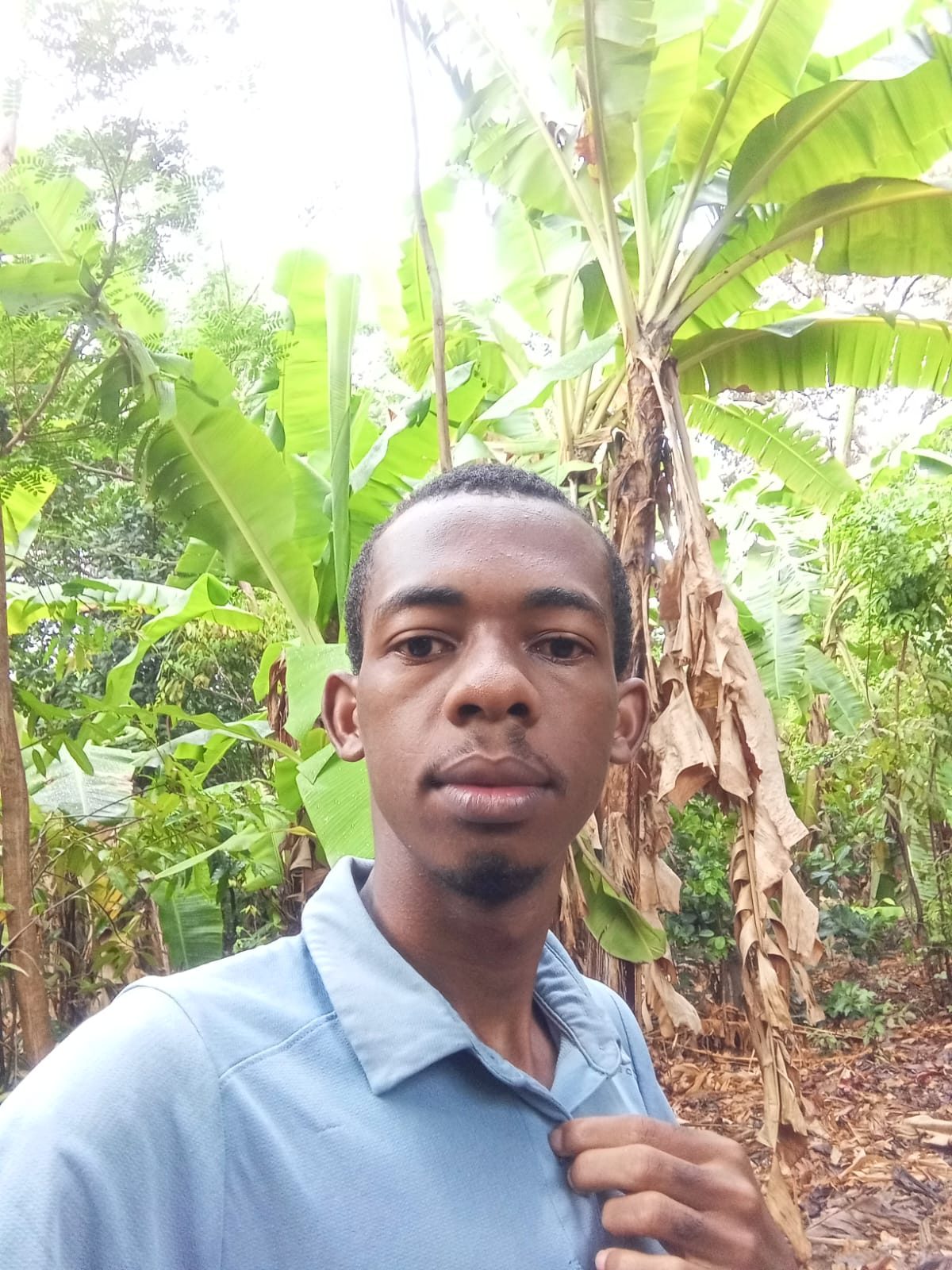
Ambanja · Research
Kennedy Jocelson Jaoriziky: every part of the cocoa tree has value
Around Ambanja, cocoa supports thousands of farmers. Yet almost nothing but the beans is kept. The leaves, bark, pod husks and pulp usually end up as waste, and the husks alone make up about 70% of the weight of a pod.
Kennedy Jocelson Jaoriziky, a Master's student in chemistry (medicinal plants) at the University of Antsiranana, wanted to know what those parts could do for the families who grow cocoa. He designed and led the study himself, as part of GYLSCO, with the programme team helping in the field.
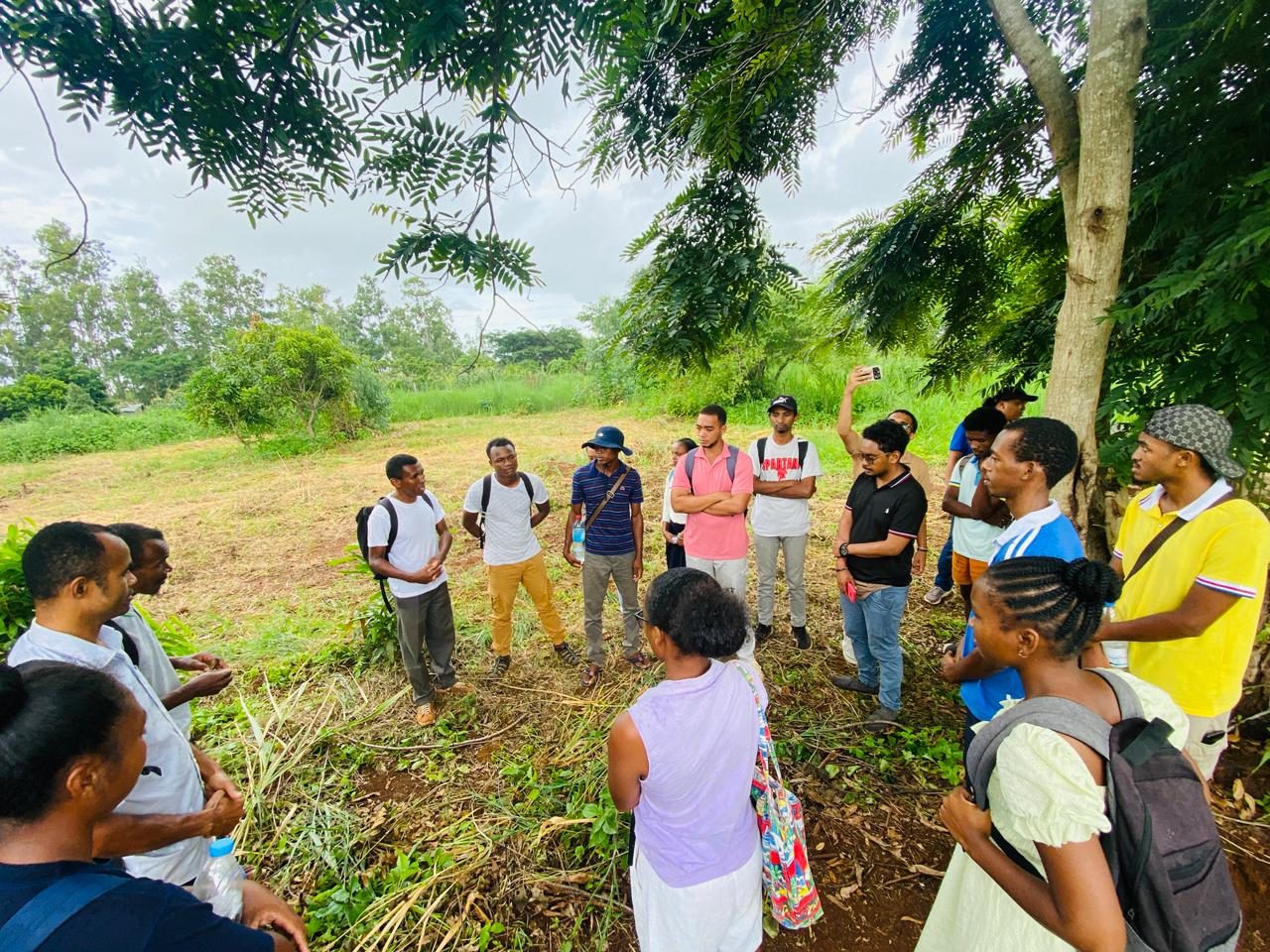
He started from what farmers already know, and went to ask them before going near a laboratory.
What farmers say, and what the lab shows
In Ambodimantaly, in the commune of Antsatsaka, he interviewed farmers and holders of traditional knowledge. Leaves are used in teas and decoctions, bark in strong decoctions, husks in infusions, and the pulp is eaten as it is or diluted. The people he spoke to use them for digestive problems, fatigue, inflammation and fever.
He then built a reference herbarium and prepared samples. With little suitable equipment available locally, he found partner laboratories to analyse them. The tests found flavonoids, polyphenols, tannins, alkaloids and saponins. The parts farmers use most were also the ones where the tests found the widest range of compounds.
His report, defended on 28 February 2026, sees these by-products as income on top of the beans: compost and mulch for the soil, juices and drinks from the pulp, extracts for food and cosmetics. It also sets out what comes next: measuring the compounds, then testing what they do and whether they are safe before any use at scale.
The uses listed are those reported by the people interviewed. They are not medical advice.
Support a project that started in GYLSCO
Buyers, distributors, laboratories, funders: tell us what you can bring and we will put you in touch.